A BPD favorite person test is not a diagnosis. It is a structured way to reflect on whether one relationship has become emotionally central, hard to regulate, and tied to reassurance, fear of abandonment, jealousy, conflict, or sudden shifts in self-worth.
If you searched for a "BPD favorite person test," you may be trying to understand why one person's tone, reply time, attention, approval, or distance can affect your entire mood. This guide helps you sort ordinary closeness from repeated patterns that may deserve broader BPD screening, therapy support, or urgent safety planning.
In this guide
Short answer: A favorite person pattern is most concerning when one person's availability, mood, or approval repeatedly controls your emotional state, triggers abandonment panic, leads to testing or impulsive contact, creates jealousy or resentment, and damages boundaries, safety, or everyday functioning.
What Does "Favorite Person" Mean in BPD?
"Favorite person" is not an official diagnostic term. It is a community phrase often used to describe an intense attachment pattern where one person becomes the main source of emotional safety, reassurance, identity, or self-worth. The person may be a partner, close friend, family member, therapist, mentor, or someone you are dating.
Borderline personality disorder is clinically evaluated through broader patterns, not one relationship label. The National Institute of Mental Health describes BPD as involving instability in emotions, relationships, self-image, and behavior. The Mayo Clinic also notes fear of abandonment and unstable relationships as possible symptoms. A favorite person pattern can overlap with those areas, but it does not prove BPD by itself.
The practical question is not "Do I have a favorite person forever?" The better question is: "Does this attachment pattern repeatedly create distress, conflict, impulsive behavior, unsafe urges, or loss of boundaries?" If abandonment alarm is the main trigger, use the BPD fear of abandonment guide to separate the trigger, feared story, urge, response, and repair. A broader Comprehensive BPD Test and professional support may be more useful than focusing only on the favorite person label.
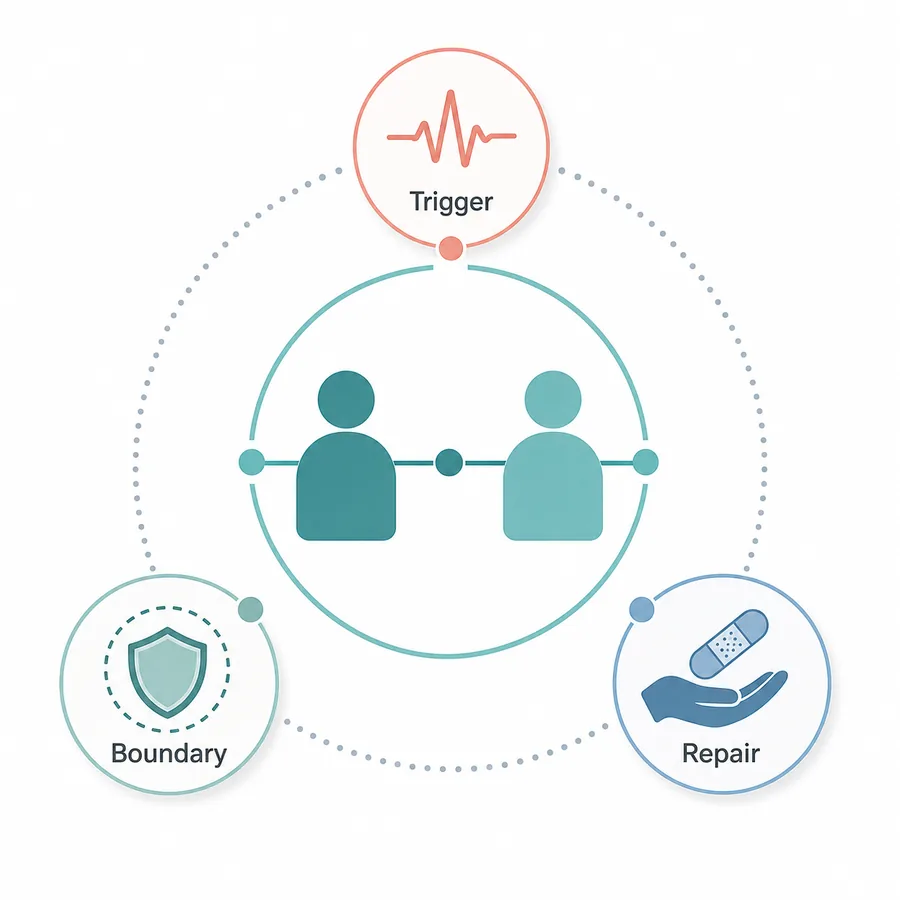
BPD Favorite Person Signs to Notice
The signs below are not proof of BPD. They are patterns to track over time, especially if they repeat across close relationships or cause distress, impairment, or safety risk.
1. Their attention feels like emotional oxygen
You may feel calmer, more real, or more lovable when this person responds warmly. When they are unavailable, distracted, tired, or less expressive, your mood may drop quickly. A delayed text can feel like rejection rather than ordinary delay.
2. Reassurance works briefly, then the fear returns
You may ask whether they are angry, whether they still care, whether you are too much, or whether the relationship is safe. Their answer may help for a moment, but the worry can restart after the next small change in tone, plan, or attention.
3. You track small signals intensely
Read receipts, social media activity, punctuation, facial expression, response speed, and who they spend time with may feel loaded with meaning. The pattern becomes more concerning when signal-checking takes over work, school, sleep, privacy, or other relationships.
4. Idealization and disappointment swing fast
When the person feels close, they may seem uniquely safe or perfect. When they disappoint you, they may suddenly feel uncaring, fake, cruel, or unsafe. If this sounds central, compare this guide with the BPD splitting test guide.
5. Boundaries feel like rejection
A normal boundary, such as needing sleep, seeing other friends, ending a conversation, or saying no, may feel like proof that you are being abandoned. You may intellectually understand the boundary but still feel panic, anger, shame, or an urge to regain closeness immediately.
BPD Favorite Person Test: 12 Self-Reflection Questions
Use these questions as a pattern check, not a score sheet. Answer based on repeated experiences over months or years. One intense crush, friendship, breakup, or stressful week does not diagnose BPD.
How to interpret your answers
If a few questions fit during a breakup, grief period, trauma reminder, or unusually stressful week, start by tracking sleep, alcohol or drug use, current conflict, and support. If many questions describe a long-term cycle, especially with abandonment fear, unstable relationships, impulsivity, emptiness, identity confusion, intense anger, dissociation, or self-harm risk, use a broader BPD screening rather than relying on a favorite person checklist.
Write down real examples. Instead of "They are my favorite person," write "When my friend did not answer for six hours, I checked their social media repeatedly, felt replaced, sent three anxious messages, then apologized all night." Specific examples help you and a professional understand trigger, story, urge, action, consequence, and repair.
Favorite Person vs Healthy Love or Close Friendship
Strong attachment is not automatically unhealthy. Many people have a best friend, partner, mentor, or family member who matters deeply. The difference is usually flexibility, boundaries, and whether the relationship can tolerate ordinary distance without repeated crisis.
| Question | Healthy closeness | Concerning favorite person pattern |
|---|---|---|
| Attention | Their attention feels good, but your day can still function without it. | Their attention feels necessary for emotional stability or self-worth. |
| Boundaries | Boundaries may disappoint you, but they can be respected without major panic. | Boundaries feel like abandonment, rejection, punishment, or proof you matter less. |
| Other relationships | You can maintain other friendships, routines, and interests. | Other parts of life shrink because the relationship consumes attention and energy. |
| Conflict | Conflict can be discussed, repaired, and put into context. | Conflict triggers testing, accusations, blocking, threats, self-punishment, or panic. |
| Safety | Distress is painful but does not lead to danger. | Distress can lead to self-harm urges, suicidal thoughts, aggression, reckless behavior, or crisis. |
A Trigger-to-Repair Flow for Favorite Person Patterns
A favorite person reflection is most useful when it slows the cycle down. Try separating the trigger from the story your mind attached to it, the urge that followed, the action you took, and the repair step that protects both honesty and boundaries.
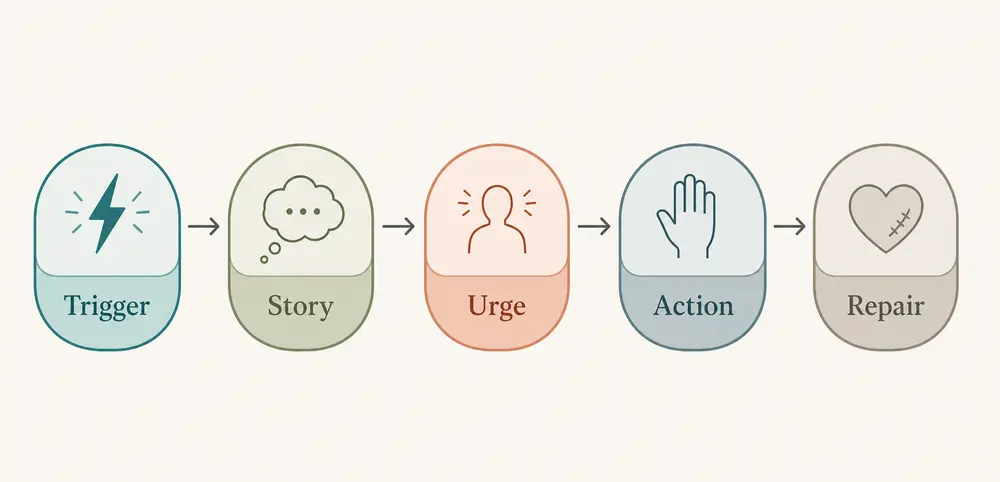
| Step | Example | Reflection question |
|---|---|---|
| Trigger | They reply later than expected or spend time with someone else. | What actually happened, without interpretation? |
| Story | "They are replacing me" or "I am too much." | What meaning did my threat system attach to the event? |
| Urge | Send repeated messages, test them, accuse, shut down, or self-punish. | What did the urge promise to fix right away? |
| Action | You text, block, plead, monitor, isolate, or delay the response. | Did the action protect trust and safety, or intensify the cycle? |
| Repair | Name the trigger, apologize for harmful behavior, request a boundary-respecting reset. | What repair step respects both my feelings and their autonomy? |
Need a broader BPD screening picture?
Use a full assessment when favorite person patterns appear alongside abandonment fear, impulsivity, emptiness, identity shifts, anger, or unstable relationships.
Take the Comprehensive BPD TestWhat to Do With Your Favorite Person Test Answers
The goal is not to shame yourself for caring intensely. The goal is to reduce harm, build steadier boundaries, and decide what support fits. NICE guidance for borderline personality disorder emphasizes structured psychological care, crisis planning, and support for distress, anger, worthlessness, and relationship difficulties.
For a wider view beyond one attachment pattern, the BPD in relationships guide explains trigger-response cycles, communication pauses, mutual boundaries, and repair.
- Track three recent episodes: Write the trigger, story, urge, action, consequence, and repair attempt for each one.
- Separate need from strategy: Wanting reassurance is human; repeated testing, monitoring, threats, or self-punishment may be harmful strategies.
- Use a delay rule: Pause before long texts, repeated calls, blocking, public posts, driving, drinking, spending, or break-up decisions.
- Build a wider support map: Add at least one other person, routine, grounding skill, or professional support so one relationship is not carrying everything.
- Screen broadly: If this pattern sits beside splitting, anger, quiet distress, or subtype questions, compare it with the 4 types of BPD test guide.
- Bring examples to care: A therapist can evaluate BPD, trauma, attachment insecurity, anxiety, depression, bipolar disorder, ADHD, substance use, relationship safety, or another explanation.
If fear around a favorite person leads to self-harm urges, suicidal thoughts, threats, violence, stalking, unsafe driving, substance use, or fear that someone may be harmed, do not wait for an online test. In the United States, call or text 988 for the Suicide & Crisis Lifeline, or call 911 for immediate danger. Outside the United States, use your local emergency or crisis service.
FAQ
Is favorite person an official BPD symptom?
No. "Favorite person" is a community term, not an official DSM diagnosis or standalone symptom. It can describe relationship intensity that overlaps with BPD features, but clinicians evaluate the full pattern.
Can a BPD favorite person test diagnose me?
No online favorite person test can diagnose BPD. It can help you organize examples and decide whether broader screening or professional assessment is appropriate.
Can you have a favorite person without BPD?
Yes. Intense attachment can also relate to attachment insecurity, trauma history, grief, anxiety, depression, relationship stress, loneliness, or a difficult breakup. The broader pattern and consequences matter.
Is a favorite person the same as love?
No. Love can be intense and healthy. A concerning favorite person pattern usually involves emotional dependence, fear-driven monitoring, boundary panic, testing, impulsive contact, or safety risk.
Should I tell someone they are my favorite person?
Use care. The label may feel heavy or confusing to the other person. It is often more useful to name specific needs and boundaries, such as reassurance timing, communication expectations, and repair plans.
Medical Disclaimer
This article is for educational purposes only and does not provide a diagnosis, treatment plan, or emergency support. If you are in immediate danger or may harm yourself or someone else, call emergency services or a local crisis hotline now.