A "Do I have BPD test" can help you organize concerns about emotions, relationships, identity, impulsive urges, emptiness, anger, or abandonment fear. It cannot diagnose borderline personality disorder. The safest use is to notice repeated patterns, choose the right screening depth, and decide whether a professional conversation would be useful.
If you are asking "do I have BPD?" after a breakup, conflict, panic spiral, online video, or confusing test result, slow the question down. A good self-check does not turn one painful week into a label. It asks whether the pattern is repeated, impairing, tied to relationship triggers, and hard to manage across time.
In this guide
Short answer: consider a BPD screening when emotional reactions, relationship fears, self-image shifts, impulsive urges, emptiness, anger, or dissociation repeat over time and affect daily life. Use a test as a structured reflection tool, not proof. If safety is involved, live support matters more than another online result.
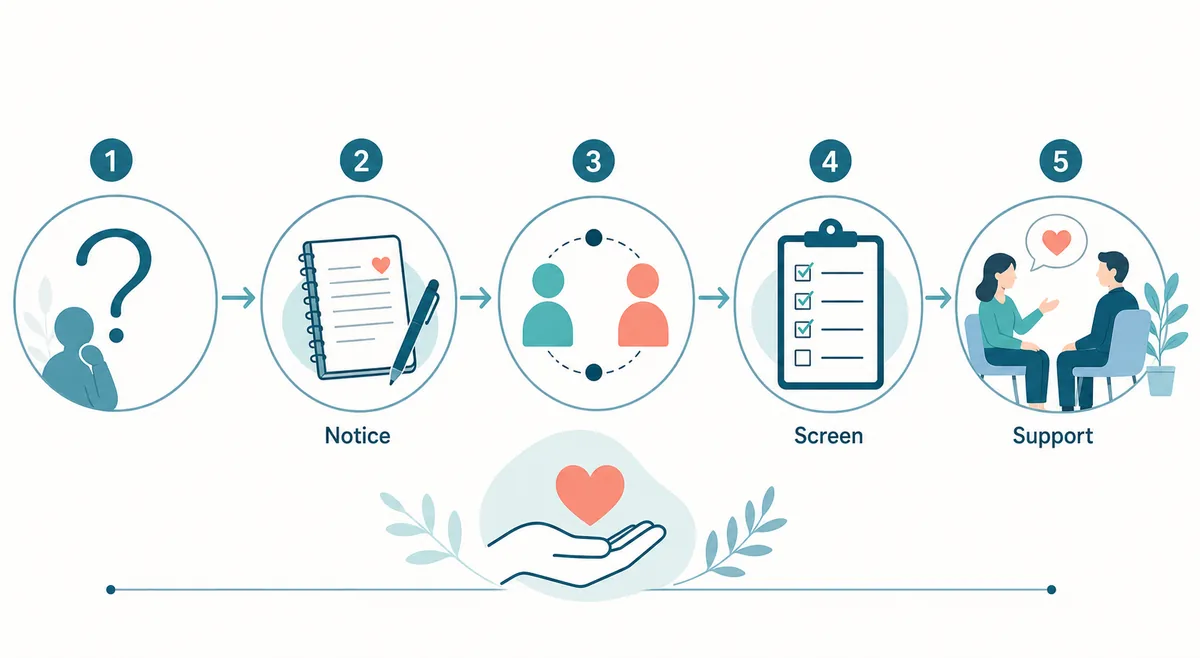
What a Do I Have BPD Test Can and Cannot Tell You
A self-test can ask about common BPD-related themes: fear of abandonment, intense relationships, unstable self-image, impulsive behavior, self-harm risk, emotional swings, chronic emptiness, anger, and stress-related paranoia or dissociation. Those themes overlap with how official mental health sources describe BPD symptoms. The National Institute of Mental Health describes BPD around instability in mood, behavior, self-image, and relationships, while the NHS groups symptoms around emotional instability, disturbed thinking, impulsive behavior, and intense but unstable relationships.
That overlap is useful, but it has limits. A questionnaire cannot know your full history, safety risk, trauma context, sleep pattern, substance use, medical factors, relationship environment, or whether bipolar disorder, PTSD, ADHD, depression, anxiety, grief, eating concerns, or another condition better explains the answers. Diagnosis requires a qualified clinician who can compare patterns over time.
The most helpful result is not "yes" or "no." It is a map of which areas deserve attention. If the questions about abandonment fear, relationship swings, impulsive repair attempts, or self-harm urges felt accurate, write down examples. Examples are more useful than a label when you talk with a therapist or doctor.
12 Safer Self-Check Questions Before You Take a BPD Test
Use these questions as reflection prompts, not a scoring system. A few "yes" answers do not prove BPD. Repeated, impairing patterns across several areas are more meaningful than one intense situation.
Other Explanations a BPD Self-Test Can Miss
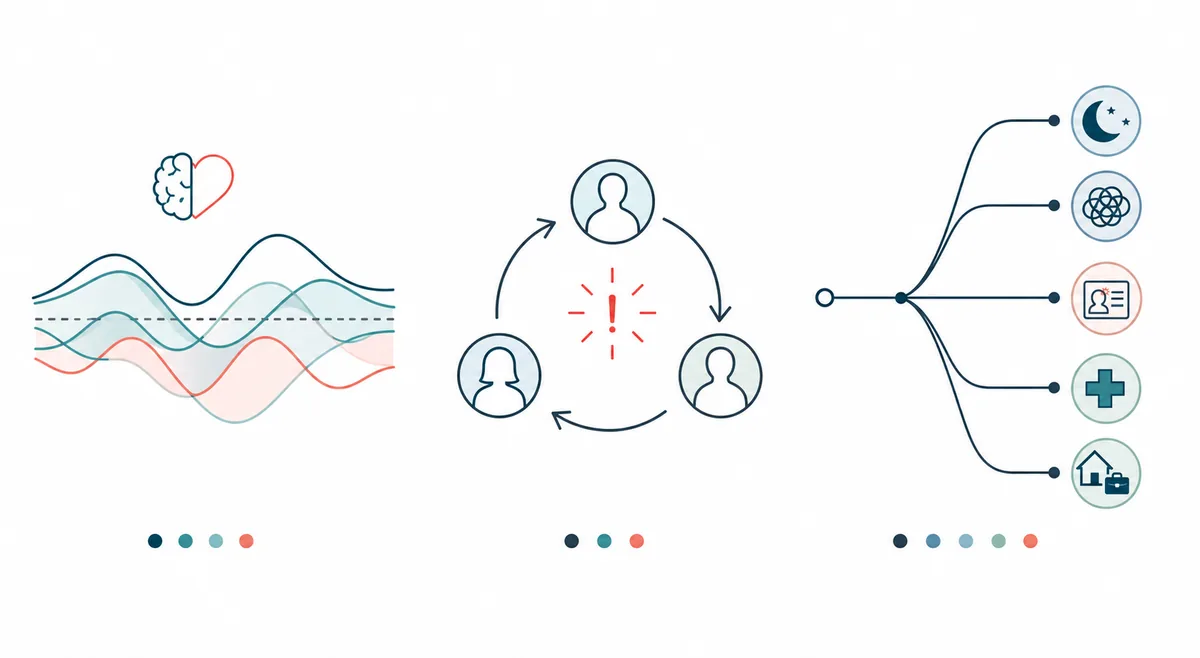
Many people search for a BPD quiz because they want a clear answer to messy emotional pain. That is understandable, but overlapping symptoms are common. A safe self-check compares the pattern with other possibilities before treating one online test as final.
| Question to ask | Why it matters | Better next step |
|---|---|---|
| Are mood changes brief and relationship-triggered, or longer episodes? | BPD-like shifts are often fast and interpersonal. Bipolar mood episodes usually last longer and may include sleep, energy, and activity changes. | Read the BPD or bipolar quiz-style self-check if this is unclear. |
| Did symptoms start after trauma, abuse, grief, or unsafe relationships? | Trauma responses can include emotional surges, avoidance, shame, mistrust, and relationship alarm. | Bring the timeline to a qualified clinician instead of relying only on a personality label. |
| Are attention, restlessness, rejection sensitivity, and impulsivity lifelong? | ADHD and anxiety can shape impulsive reactions, emotional overload, and reassurance seeking. | Track examples across childhood, school, work, and relationships. |
| Is there self-harm, suicidal thinking, violence, stalking, or immediate danger? | Safety risk changes the priority. You do not need a perfect label before getting live support. | Use emergency or crisis support now. In the United States, call or text 988 if suicidal thoughts are present. |
Which BPD Test Should You Take?
The best test depends on your search intent. If you only need a first-pass orientation, do not start with the longest assessment. If your concern is hidden distress, a general quiz may miss the internal pattern. If you are a teen or screening a teen, use age-aware guidance.
| Your question | Best site path | Why |
|---|---|---|
| "Do I have BPD?" | Quick BPD Screening | Best for a low-pressure first check when you want orientation before deeper reading. |
| "I want a fuller symptom breakdown." | Comprehensive BPD Test | Better when symptoms are broad, repeated, impairing, or hard to separate. |
| "I look fine but struggle privately." | Quiet BPD Test | Focuses on internalized distress, masking, people-pleasing, hidden anger, shame, and self-blame. |
| "This is about a teenager." | Teen BPD Assessment | Teen screening needs age-aware wording, developmental context, caregiver support, and extra caution. |
Want a private first-pass screen?
Start with the quick BPD screening if you want a short self-check before deciding whether a deeper assessment fits.
Take the Quick BPD ScreeningWhat to Do After Your Self-Check
If several questions fit, do not keep retaking tests until you feel certain. Certainty is not the first goal. The first goal is to collect a clearer pattern and reduce risk.
- Write three examples: Include the trigger, feeling, thought, urge, action, consequence, and repair attempt.
- Separate one-day reactions from repeated patterns: A crisis can make many questions feel true temporarily.
- Choose one screening path: Use quick, comprehensive, quiet, or teen screening based on your main concern.
- Read your result carefully: The guide on BPD test free results explains how to interpret score ranges without overreacting.
- Seek professional help when impairment is real: The NICE guideline for borderline personality disorder emphasizes structured psychological support and careful assessment.
When you talk with a professional, you can say: "I took a BPD self-test. I know it cannot diagnose me, but these patterns keep repeating. Can we look at whether BPD, trauma, bipolar disorder, ADHD, depression, anxiety, or something else fits better?" That phrasing keeps the conversation open and clinically useful.
FAQ
Is a Do I Have BPD test accurate?
It can be useful for screening and reflection, but it is not a diagnosis. Accuracy depends on the quality of the questions, your current stress level, how honestly you answer, and whether other conditions explain the pattern.
What is the difference between a BPD test and a BPD quiz?
Online, people use both terms. On this site, both mean educational screening tools that help you reflect on symptoms. Neither replaces professional diagnosis.
Can I have BPD traits without having BPD?
Yes. Some traits can appear during trauma responses, depression, anxiety, grief, unsafe relationships, substance use, sleep loss, or major stress. Persistence, impairment, context, and the full pattern matter.
Should I take the quiet BPD test instead?
Use the quiet BPD test if your distress is mostly hidden, masked, internalized, or followed by self-blame rather than visible conflict. Use the comprehensive test if you want a broader symptom review.
When should I stop taking online tests and seek help?
Seek help when symptoms affect safety, relationships, work, school, sleep, substance use, self-harm urges, or suicidal thoughts. If there is immediate danger, use emergency or crisis support now.
Helpful sources
Medical Disclaimer
This article is for educational purposes only and cannot diagnose, treat, or replace professional mental health care. If you may harm yourself or someone else, call emergency services or a local crisis hotline now.