BPD in men can involve the same core pattern described in borderline personality disorder: intense emotions, fear of abandonment, unstable relationships, identity confusion, impulsive urges, anger, emptiness, or self-harm risk. The difference is that men may be more likely to have those patterns misread as only anger, detachment, substance use, risk-taking, or relationship conflict.
If you searched for "men with BPD," "men and BPD," or "BPD in men," this guide is meant to help you organize observations safely. It cannot diagnose you or someone else. It can help you decide whether a focused BPD screening page, a broader mental health assessment, or a professional conversation may be the more useful next step.
In this guide
Short answer: BPD does not have a separate male version, but the same underlying symptoms can be expressed or interpreted differently in men. Look for repeated patterns across time: abandonment panic, unstable closeness, intense shame or anger, impulsive coping, emptiness, identity shifts, and repair cycles after conflict. A self-test can organize concerns, but diagnosis requires a qualified professional.
How BPD Can Show Up in Men
Borderline personality disorder is defined by patterns, not by gender. Major health sources such as the National Institute of Mental Health describe BPD around instability in mood, behavior, self-image, and relationships. The NHS groups symptoms around emotional instability, disturbed thinking, impulsive behavior, and intense but unstable relationships.
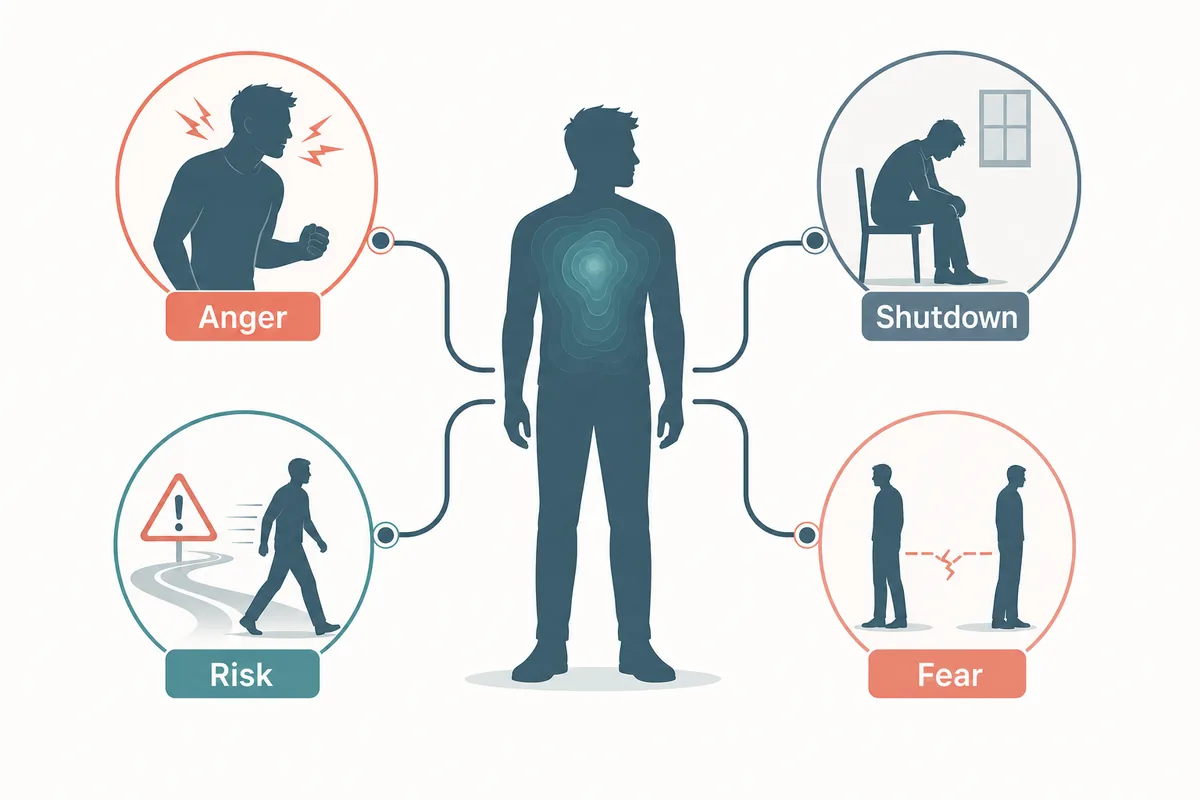
For men, the visible surface may sometimes look different from the private experience. A man may appear angry, withdrawn, controlling, numb, reckless, or hard to reach, while internally feeling terrified of rejection, ashamed, empty, or desperate for reassurance. That does not mean anger or harmful behavior should be excused. It means the pattern deserves careful assessment instead of a quick label.
Why BPD in Men May Be Missed or Misread
There are several reasons BPD in men can be missed. Some men are less likely to describe fear, shame, or dependency directly. Some are first noticed because of substance use, legal problems, anger, relationship blowups, risky sex, unsafe driving, or work conflict. Others function well in public and only show intense patterns in close relationships.
Misreading can go in both directions. Sometimes BPD-related distress is dismissed as "just anger" or "just immaturity." Other times, a person is called BPD because a relationship is painful, even when trauma, depression, bipolar disorder, ADHD, autism, substance use, sleep deprivation, an unsafe relationship, or another condition is a better explanation. A useful screening process slows down and asks what repeats, what triggers it, and what else could explain it.
| What people may notice | Possible BPD-related pattern | Other explanations to consider |
|---|---|---|
| Explosive anger after distance, criticism, or a changed plan | Abandonment fear, shame, black-and-white thinking, or panic-driven protest | Trauma response, depression, substance use, learned conflict style, unsafe relationship dynamics |
| Pulling away, going silent, or acting emotionally numb | Shutdown after perceived rejection, shame, emptiness, or fear of needing someone | Depression, avoidant coping, burnout, autism-related overload, grief, stress |
| Risky spending, sex, substances, driving, quitting, or blocking | Impulsive attempts to escape emotional pain or regain control | Bipolar mood episodes, ADHD impulsivity, addiction, peer environment, acute crisis |
| Intense attachment followed by distrust, jealousy, or sudden devaluation | Fear of abandonment, unstable closeness, splitting, or reassurance loops | Attachment trauma, betrayal history, coercive control, anxiety, relationship incompatibility |
Common Signs Worth Taking Seriously
The signs below are not a checklist for diagnosing BPD in men. They are patterns that may justify broader reflection when they repeat across months or years and affect relationships, work, school, parenting, safety, or daily functioning.
1. Rejection sensitivity that feels bigger than the event
A delayed reply, changed plan, joke, criticism, or partner needing space may trigger panic, rage, despair, or an urgent need to fix things immediately. The reaction may feel out of proportion afterward, but in the moment it can feel like proof of being abandoned or disrespected.
2. Anger followed by shame or repair panic
Some men with BPD-like patterns report anger first because it is easier to show than fear. Afterward, they may feel ashamed, apologize intensely, withdraw, blame themselves, or try to repair the relationship in a frantic way. The cycle matters more than one isolated argument.
3. Rapid shifts in closeness and trust
A relationship can move from "you are the only person who understands me" to "you never cared" very quickly. This kind of shift can overlap with BPD splitting patterns, especially when stress makes it hard to hold a balanced view of the other person.
4. Hidden emptiness, identity shifts, or self-disgust
Not every pattern looks dramatic from the outside. Some men describe feeling empty, fake, detached from their own needs, or unsure who they are without approval, sex, work success, substances, or a relationship. If the distress is mostly hidden, the Quiet BPD Test may be a relevant companion screen.
5. Impulsive coping after emotional spikes
Impulsivity may include spending, gambling, substances, sex, speeding, quitting jobs, sending long messages, blocking people, threatening to leave, or making sudden major decisions. The key question is whether the action is repeatedly used to escape emotional pain and then creates regret, conflict, or safety risk.
BPD in Men vs Other Explanations
Because many mental health patterns can overlap, a careful comparison is safer than trying to identify BPD from one behavior. The table below can help you decide what to track before taking a self-test or contacting a clinician.
| Question | More consistent with BPD-like patterns | May point elsewhere |
|---|---|---|
| Timing | Reactions are rapid and often tied to relationship triggers, shame, rejection, or closeness. | Changes last days or weeks with clear shifts in sleep, energy, or activity level. |
| Relationship pattern | Closeness feels intense, fragile, urgent, or unstable across multiple relationships. | Conflict is mainly tied to one unsafe relationship, one breakup, or one current stressor. |
| Self-image | Self-worth changes sharply with approval, rejection, mistakes, or perceived abandonment. | Low self-worth is steady and mostly linked to depression, trauma, or burnout. |
| Risk | Impulsive actions or self-harm urges rise during interpersonal panic or emotional overload. | Risk is primarily substance-driven, manic, situational, or connected to another condition. |
Self-Reflection Questions for Men With Possible BPD Patterns
Use these questions as prompts, not a score. Write down examples rather than only answering yes or no.
Safer Next Steps: Screen, Context, Support
If several patterns feel familiar, start with a focused but cautious path. A self-test can organize symptoms, but it should not become a private diagnosis. Bring examples to a qualified mental health professional when patterns are persistent, impairing, or risky.
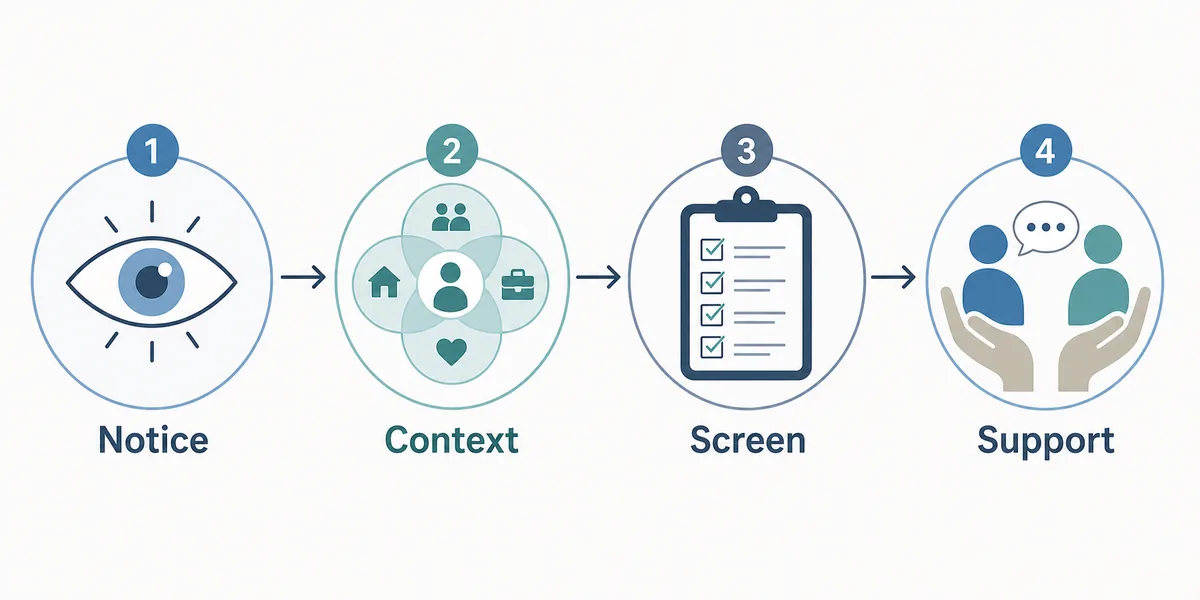
- Write three examples: Include trigger, feeling, body reaction, thought, action, consequence, and repair attempt.
- Check context: Note substances, sleep, trauma reminders, mood episodes, relationship safety, stress, medication changes, or medical factors.
- Use screening carefully: Try the Comprehensive BPD Test if the pattern is broad, or the BPD symptoms test guide if you want to compare common symptom areas first.
- Discuss treatment fit: Evidence-informed care often focuses on structured psychological therapies, skills for emotion regulation, crisis planning, and relationship patterns. NICE guidance emphasizes organized psychological support rather than a quick medication-only answer.
- Prioritize safety: If there is immediate danger, self-harm risk, suicidal intent, violence, or loss of control, use emergency or crisis support now instead of continuing to read.
Need a focused screening path?
Use the comprehensive BPD assessment to organize symptoms, then bring real examples to a qualified professional if the pattern is persistent, impairing, or unsafe.
Take the Comprehensive BPD TestFAQ
Can men have borderline personality disorder?
Yes. Men can have BPD. The core symptoms are not limited to one gender, although the visible patterns may be interpreted differently depending on anger, withdrawal, risk-taking, substance use, or relationship conflict.
What are common BPD signs in men?
Common signs may include intense rejection sensitivity, unstable closeness, anger followed by shame, impulsive coping, emptiness, identity shifts, jealousy, fear of abandonment, self-harm urges, or repeated relationship repair cycles. A professional assessment is needed for diagnosis.
Is anger always a sign of BPD in men?
No. Anger can come from many sources, including trauma, depression, stress, substances, learned conflict patterns, or unsafe relationships. It becomes more relevant to BPD screening when it repeats with abandonment fear, unstable relationships, impulsivity, shame, emptiness, or self-image shifts.
Should I use a BPD test if I am a man?
A self-test can be useful if you treat it as a reflection tool rather than a diagnosis. Use it to organize examples, then seek professional help if symptoms affect safety, relationships, work, school, parenting, or daily functioning.
Can BPD in men be treated?
Many people improve with structured psychological support, skills practice, crisis planning, and treatment for overlapping concerns such as depression, trauma, substance use, or anxiety. A clinician can help choose the right plan for the full picture.
Helpful sources
Medical Disclaimer
This article is for educational purposes only and does not diagnose BPD, provide treatment instructions, or replace professional care. If you may hurt yourself or someone else, or if you feel unable to stay safe, call emergency services or a local crisis hotline now. In the United States, call or text 988 for the Suicide & Crisis Lifeline.